

Selecting the Right Ionic Degree of Polyacrylamide (PAM)1. Importance of Ionic Degree SelectionIn sludge dewatering processes, the ionic degree of polyacrylamide (PAM) plays a decisive role in determining flocculation ef···
Read more Key Technical Parameters of Polyacrylamide (PAM)Polyacrylamide (PAM) is a widely used polymer flocculant in water treatment processes due to its low cost, reliable performance, and broad applicability. The main technical···
Read more Poly Aluminum Ferric Chloride (PAFC): An Efficient and Eco-friendly Inorganic Coagulant for Water TreatmentPoly Aluminum Ferric Chloride (PAFC) is an inorganic polymer coagulant synthesized from the hydrolysis of aluminu···
Read more A Sustainable Solution for Water Treatment: Polyferric Sulfate (PFS)Polyferric sulfate (PFS) is a highly efficient inorganic polymer coagulant widely used in wastewater purification. It appears as a light-yellow powder i···
Read more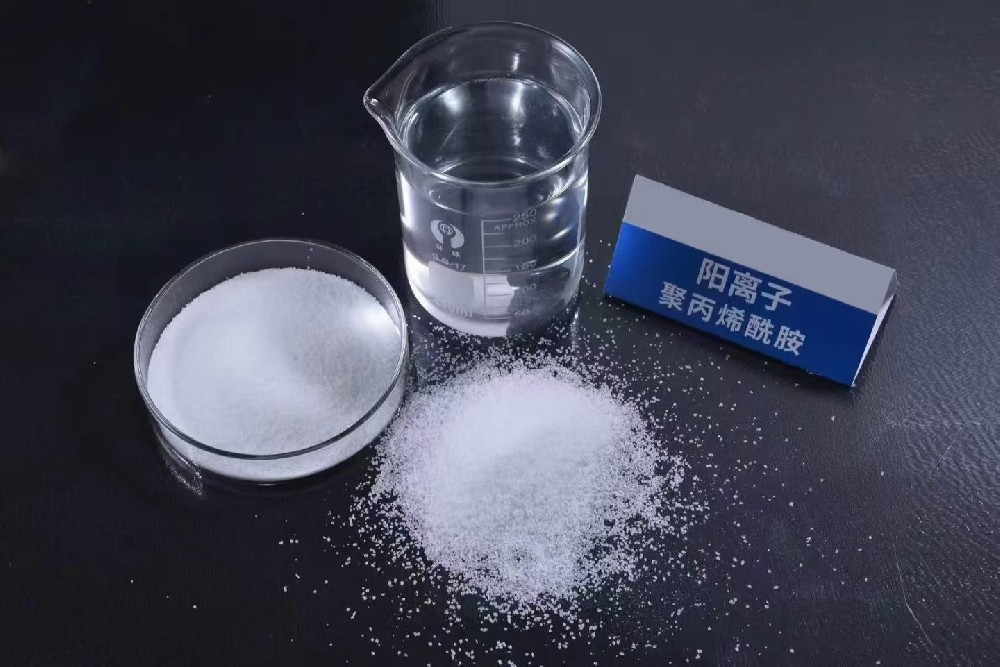
Cationic Polyacrylamide (CPAM) is a linear polymer compound. Due to its various active functional groups, it can bond with many substances through affinity and hydrogen bonding. It mainly flocculates negatively charged c···
Read more
